


Research Library
The PhD Peptides Research Library
The science behind the documentation.
Understand research peptides, analytical methods and laboratory records with clear, referenced guides.
Sixteen laboratory references. Original diagrams. Academic and official sources.
Browse the library
Start with the essentials
Three useful places to begin
Read a certificate
Match the batch, inspect the method and interpret the result.
Read the guide03Separate purity and quantity
Understand why a percentage and a milligram value answer different questions.
Read the guide15Follow the evidence
Evaluate models, controls and the limits of a published paper.
Read the guideBrowse by topic
Research Library
Explore the chemistry, testing and documentation behind laboratory research materials.
Articles found: 16
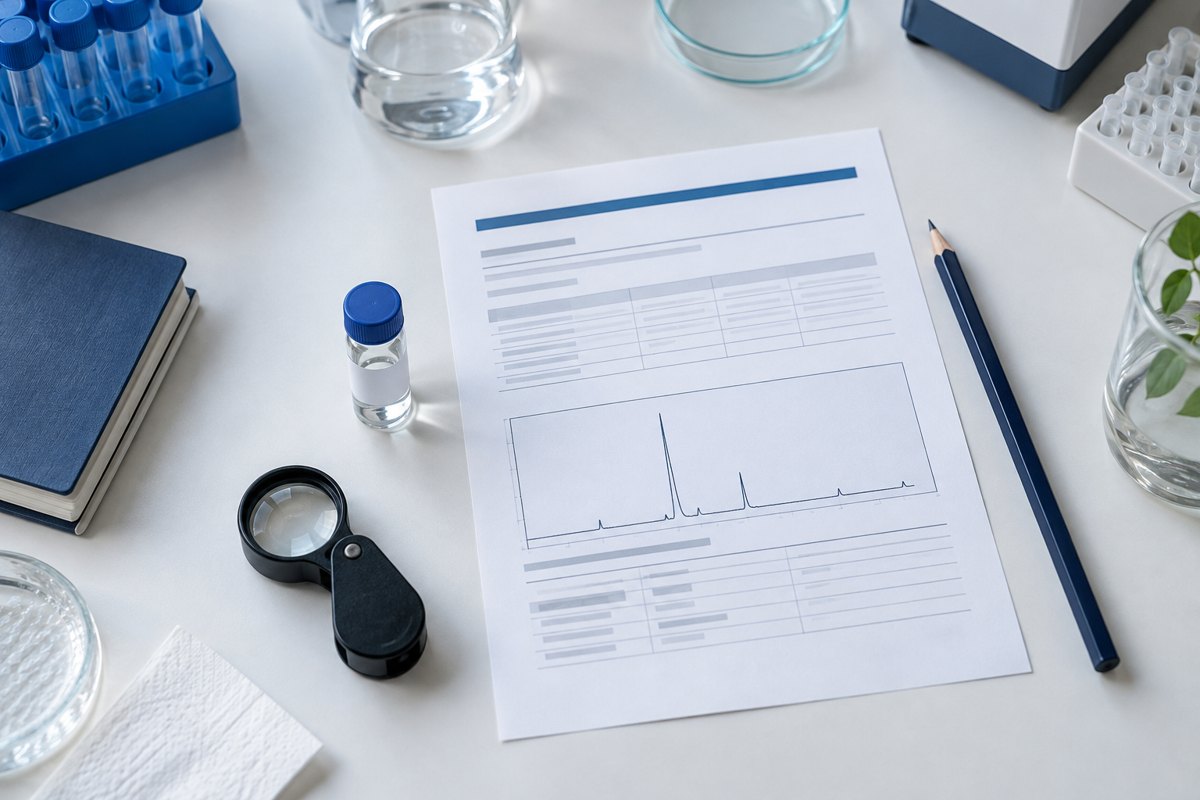 01
01Analytical Testing
How to Read a Peptide Certificate of Analysis
The batch code, analytical method and reported values tell different parts of the story. Learn to read them together and make a certificate useful to your research.
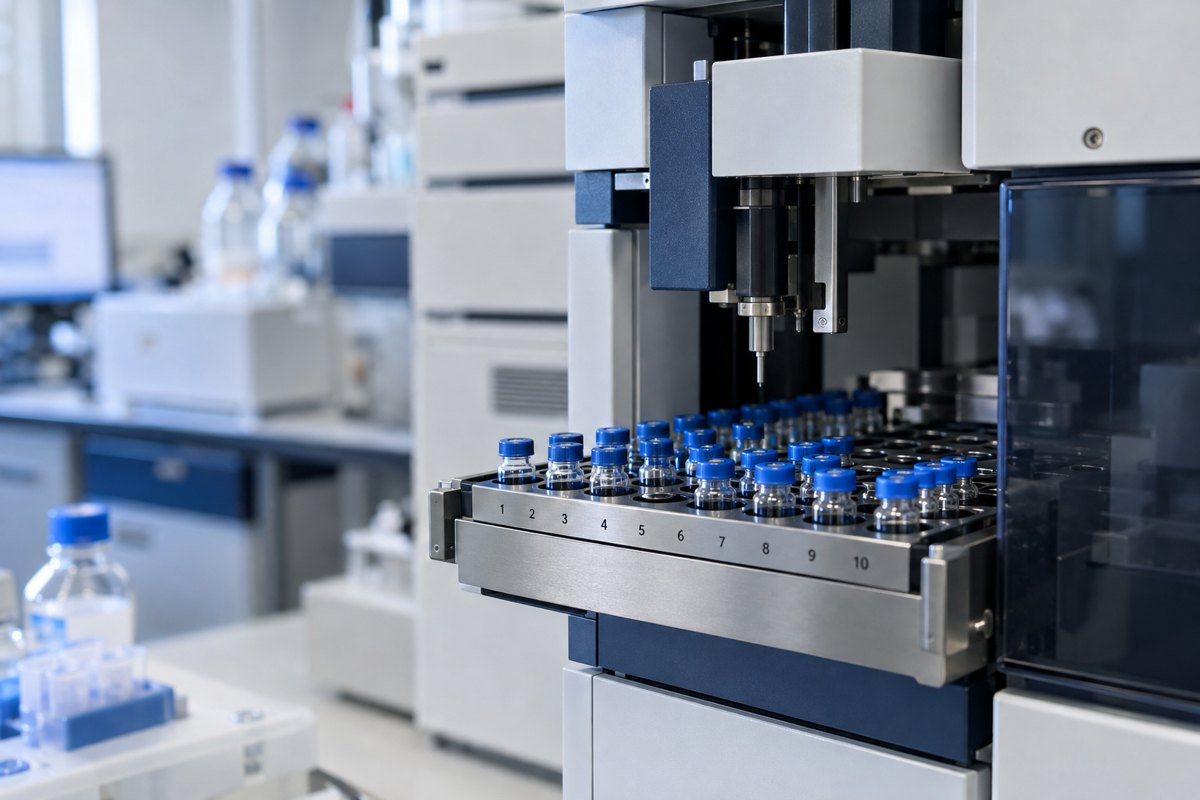 02
02Analytical Testing
What Does HPLC Purity Actually Measure?
A sharp chromatographic peak is only the beginning. Discover how separation, detection and integration produce the percentage on a peptide report.
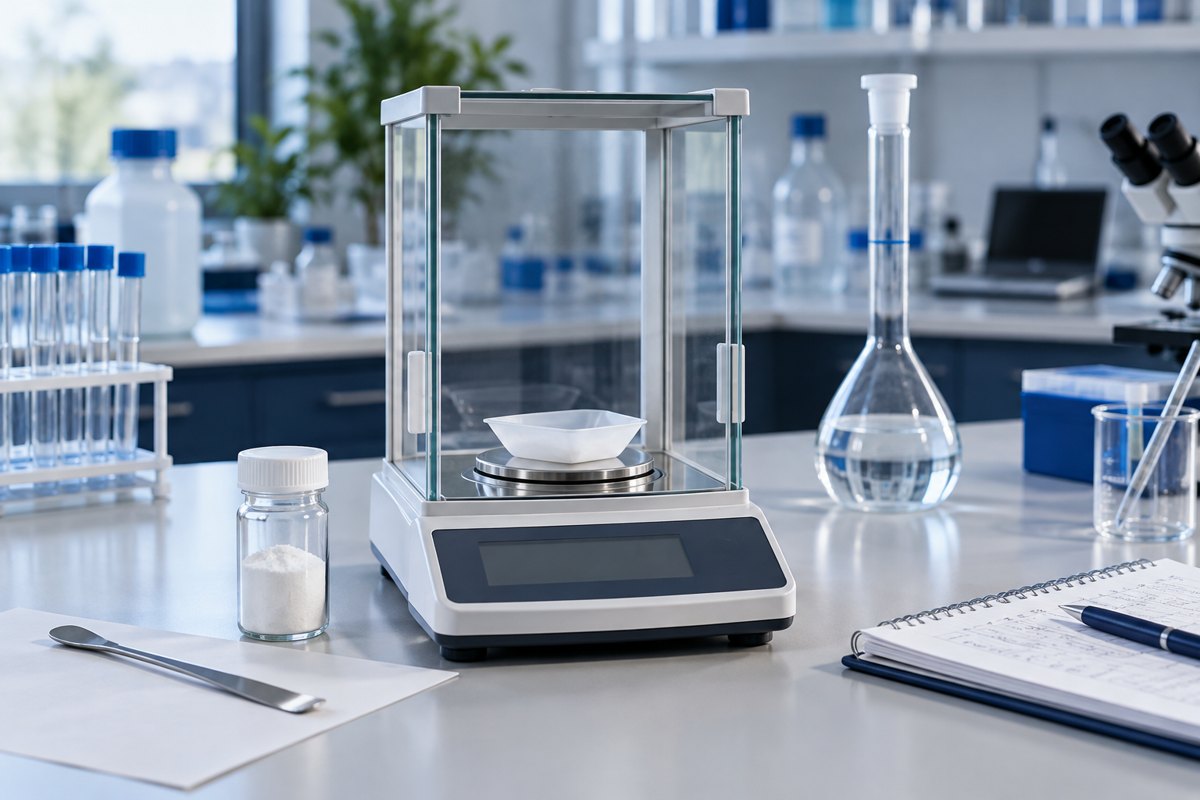 03
03Analytical Testing
Peptide Purity vs Peptide Quantity
Why a high purity percentage cannot tell you how many milligrams a vial contains, and how analytical reporting resolves the difference.
 04
04Quality & Documentation
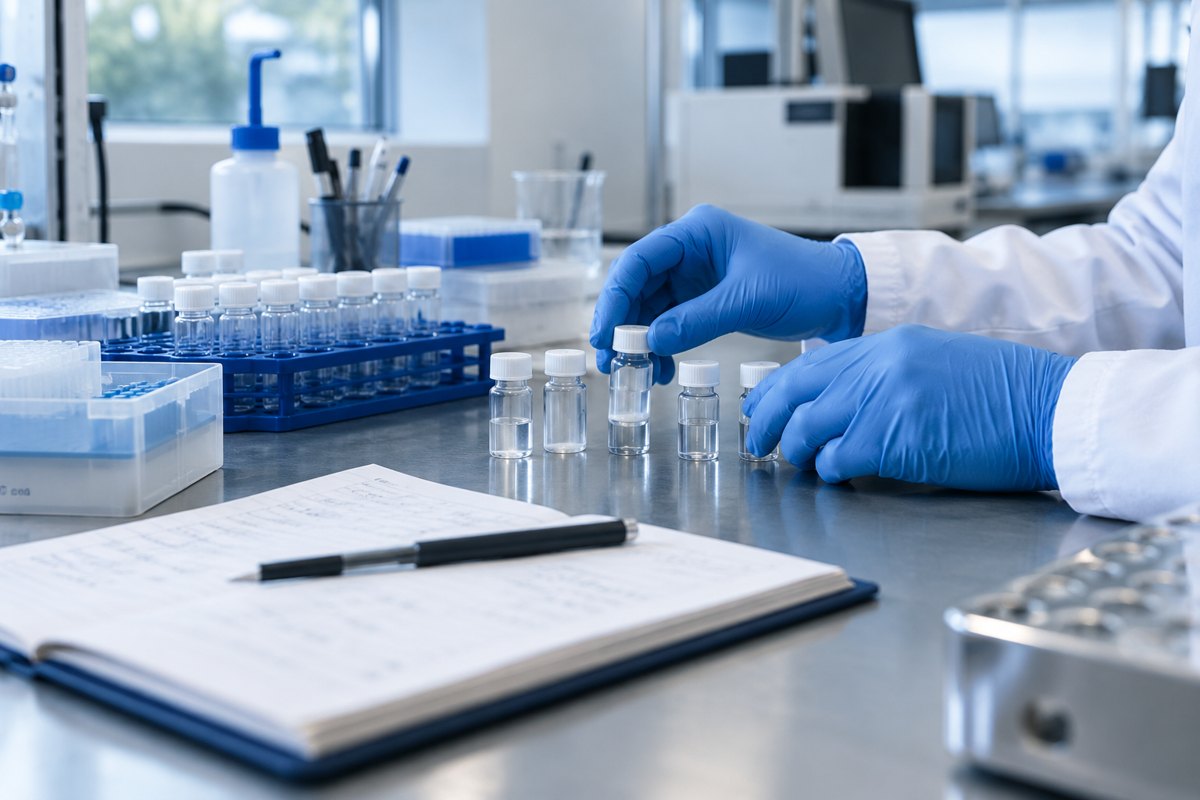
What Is Third-Party Peptide Testing?
Follow a testing commission from the selected sample to the final report, and see what an external laboratory adds to the evidence for a research material.
 05
05Quality & Documentation
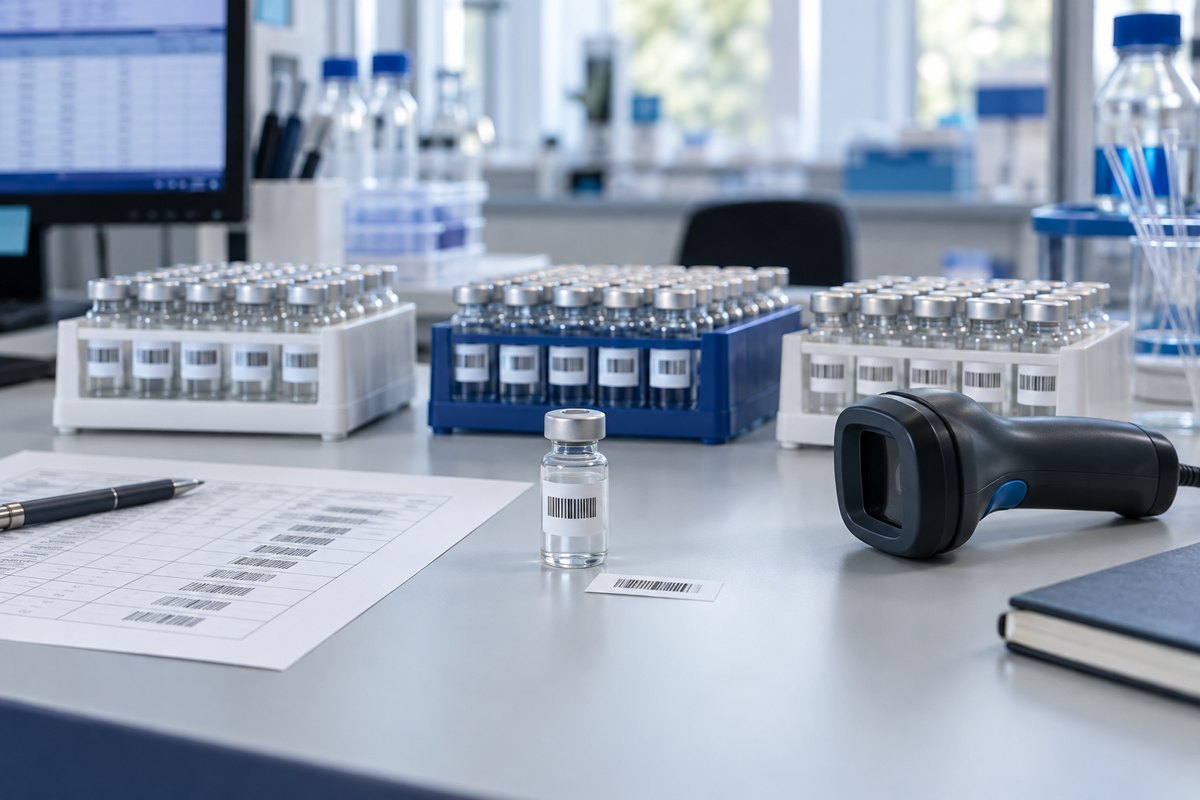
Why Batch Traceability Matters in Laboratory Research
When an experimental result changes, the batch history can turn a vague suspicion into a question worth investigating. Follow the connections that make this possible.
 06
06Laboratory Methods
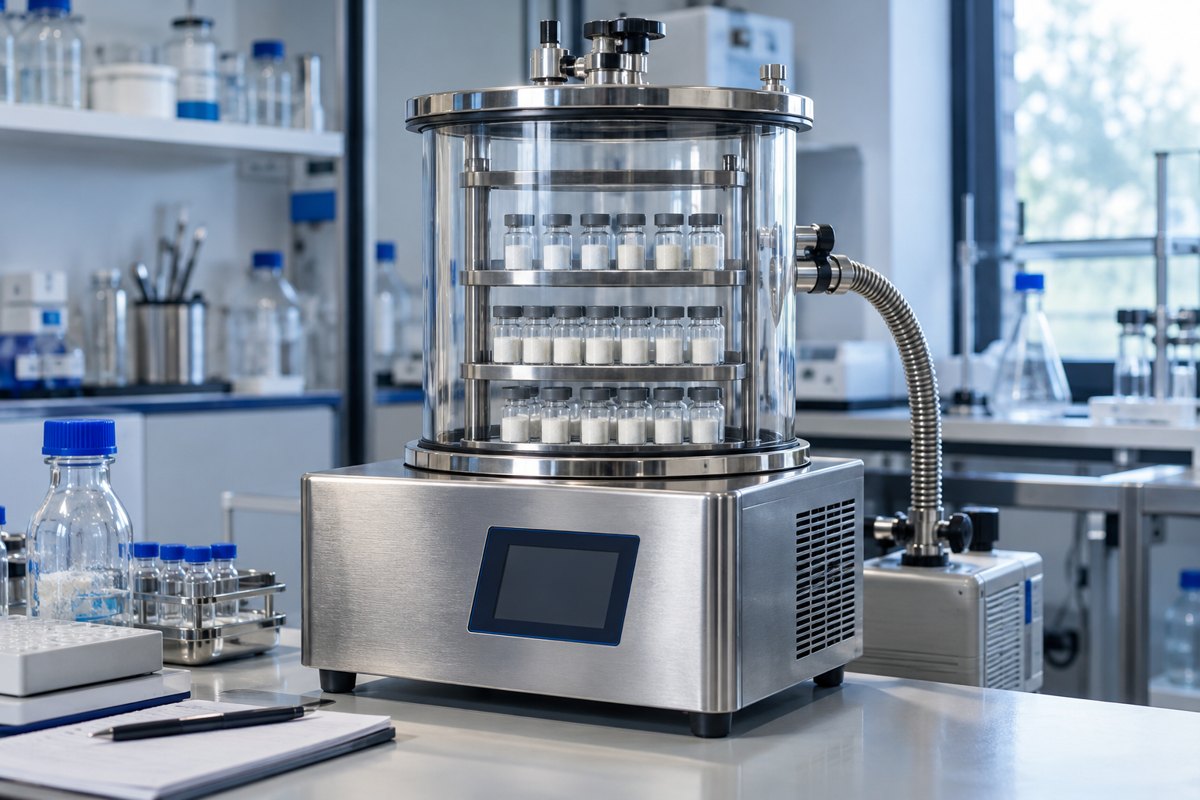
How Lyophilisation Is Used for Research Peptides
Follow water from a frozen material into vapour, and discover why a peptide’s dry appearance, measured content and storage history answer different questions.
 07
07Storage & Handling
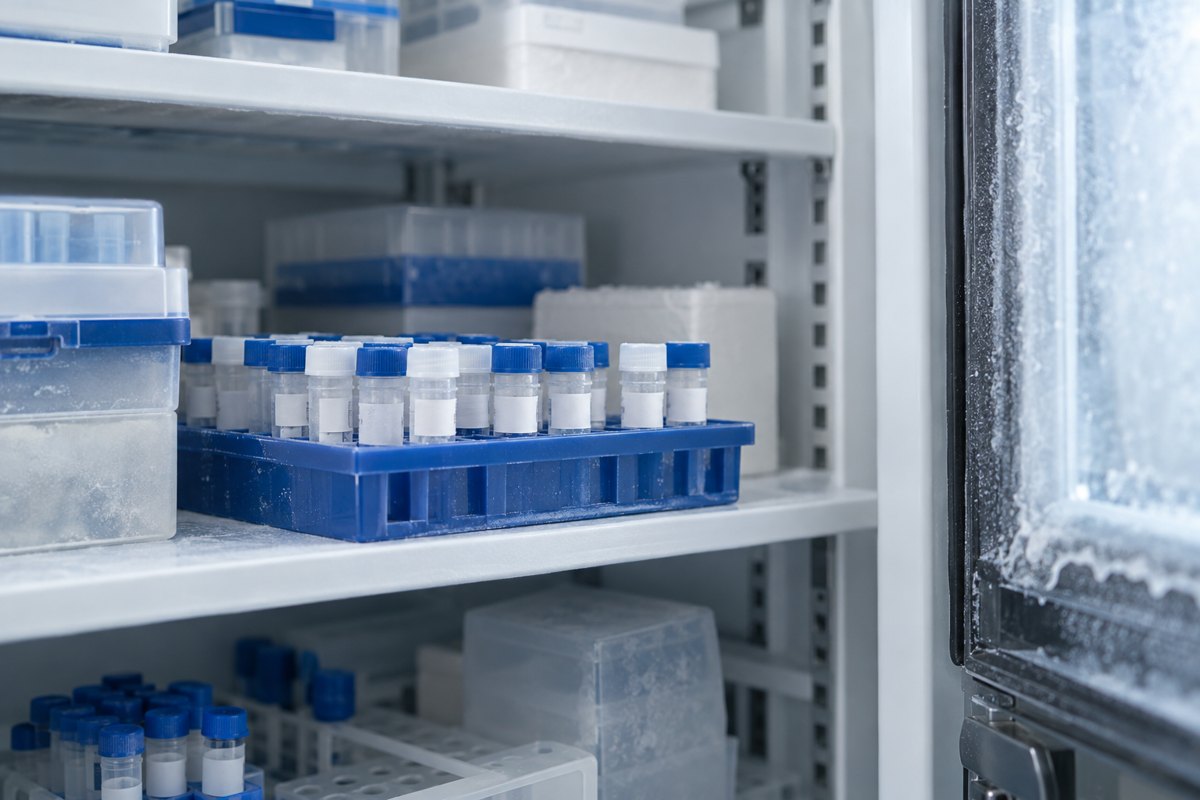
Storage of Lyophilised Research Peptides
Why storage depends on the peptide, its packaging and its history—and how to make sense of dates and temperature excursions.
 08
08Peptide Science
What Is a Peptide? A Laboratory Reference
From peptide bonds to sequence notation: a readable guide to the molecular details behind a laboratory specification.
 09
09Compound Reference
Understanding Peptide Molecular Weight, Sequence and CAS Numbers
When mass values or identifiers disagree, start with the structure and calculation basis before judging the analytical result.
 10
10Analytical Testing
What Is USP Water for Injection?
Three similar water names, three different definitions: understand the evidence behind composition, sterility and chemical quality.
 11
11Analytical Testing
Understanding Bacterial Endotoxin Testing
Understand the signal behind an endotoxin result, the sample effects that can change it, and what a less-than value really means.
 12
12Analytical Testing
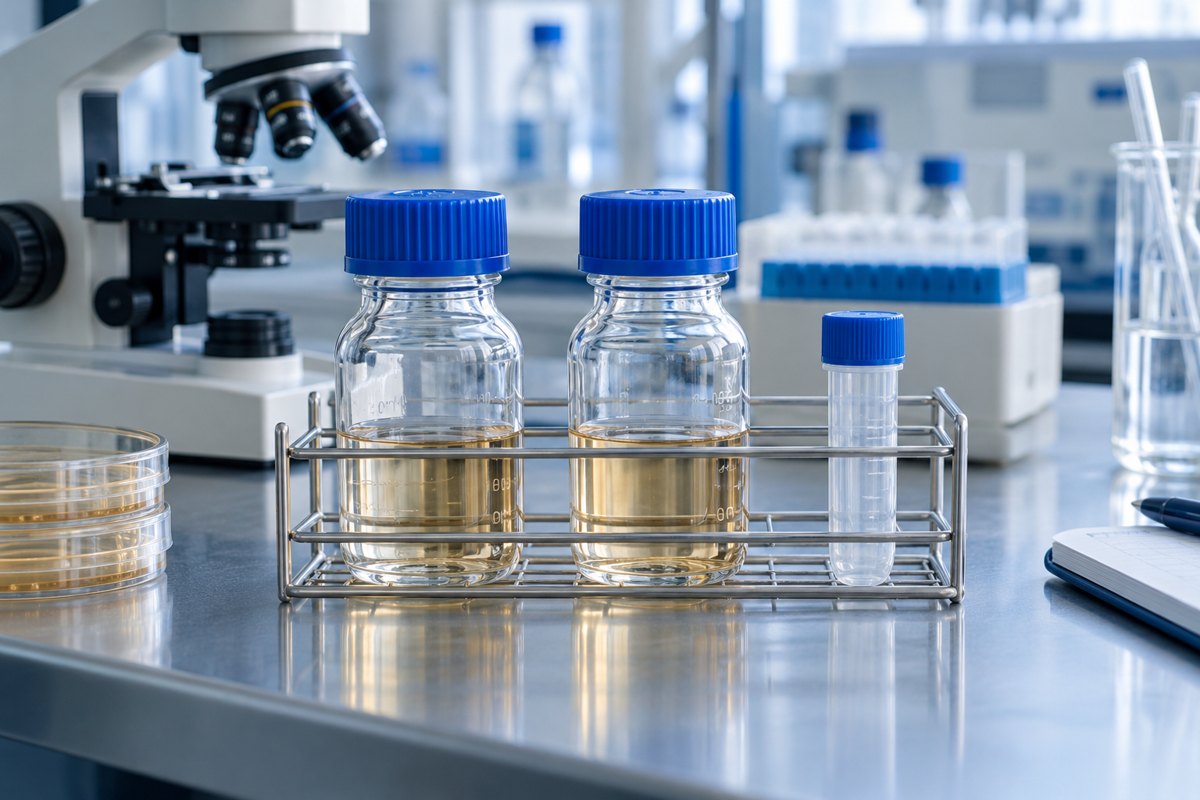
How USP Chapter 71 Sterility Testing Works
Follow a sterility examination from sample selection to no-growth interpretation, with a worked explanation of batch-sampling limits.
 13
13Analytical Testing
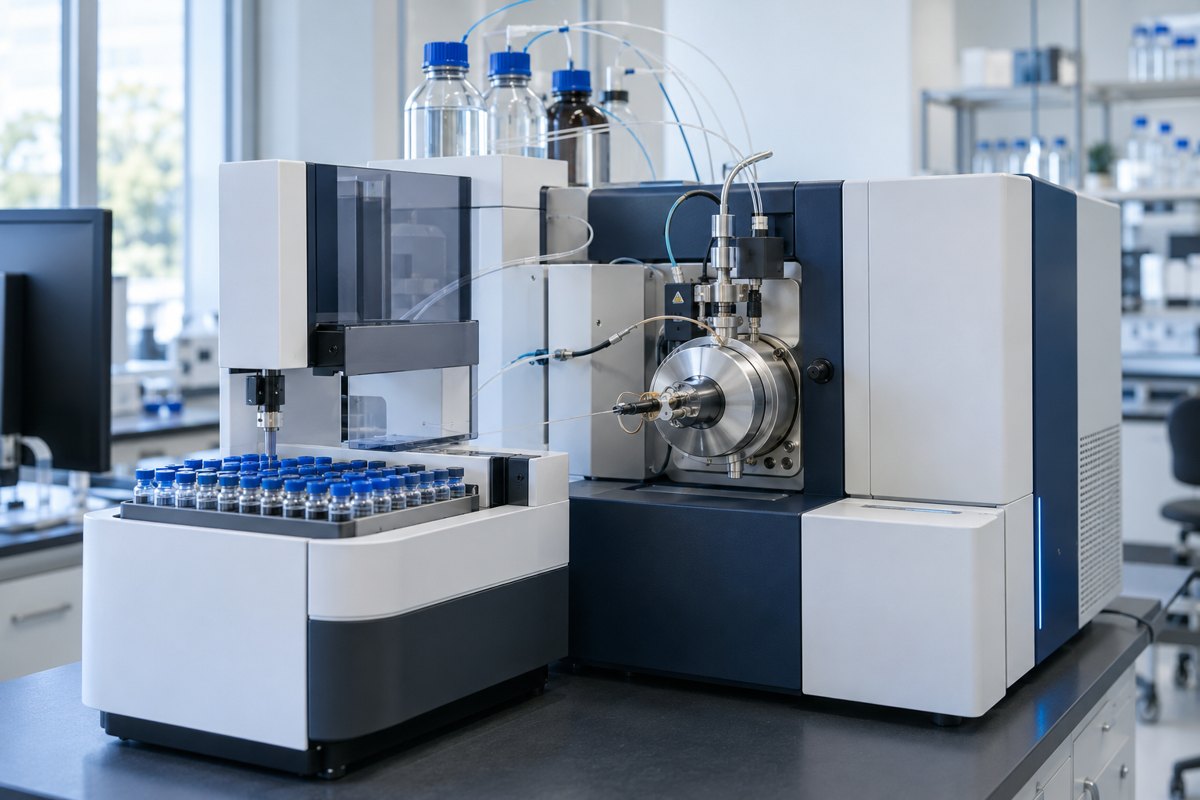
Mass Spectrometry and Peptide Identity
Why one peptide can produce several peaks, what fragmentation adds, and how to make sense of an identity result on a COA.
 14
14Peptide Science
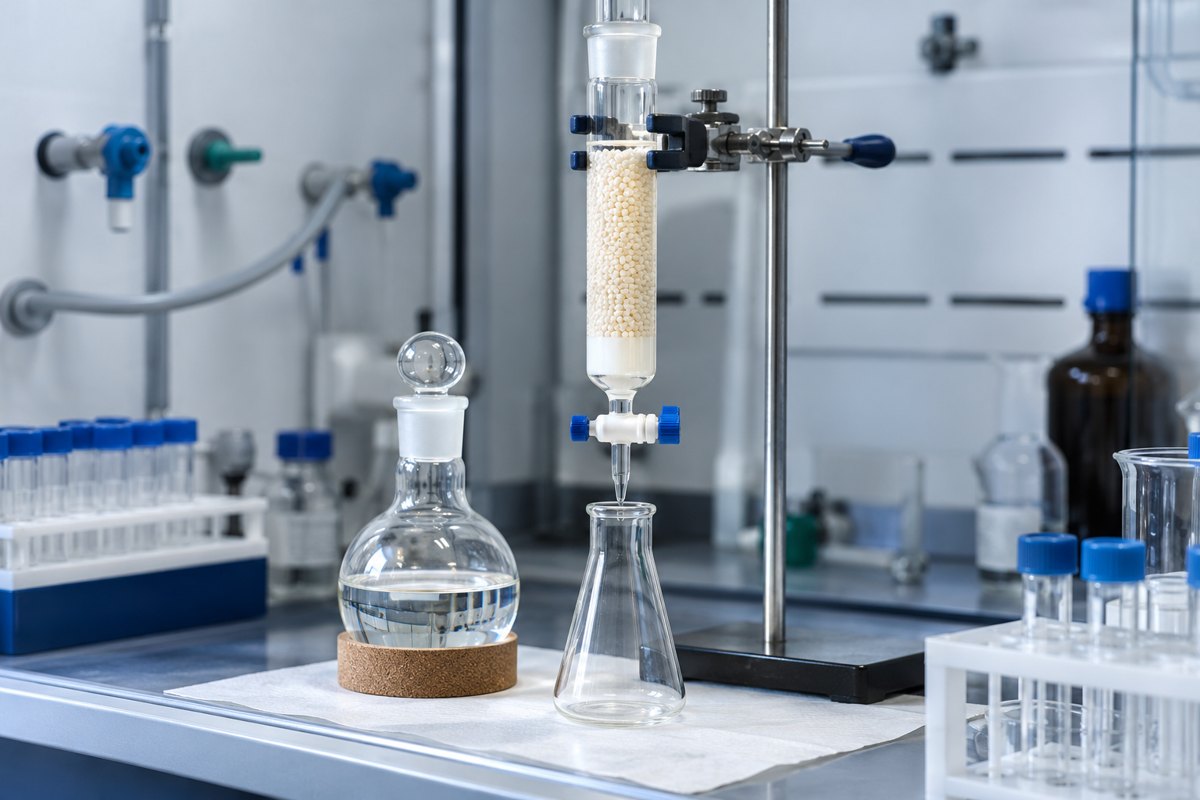
Peptide Synthesis and Common Impurities
How a peptide is assembled, why closely related products can arise, and how purification and testing help explain the final material.
 15
15Peptide Science
Reading Peptide Research Papers: Models, Controls and Evidence Limits
Move beyond the abstract: understand a paper’s model, comparisons and observations, then decide how far its conclusion can reasonably travel.
 16
16Quality & Documentation
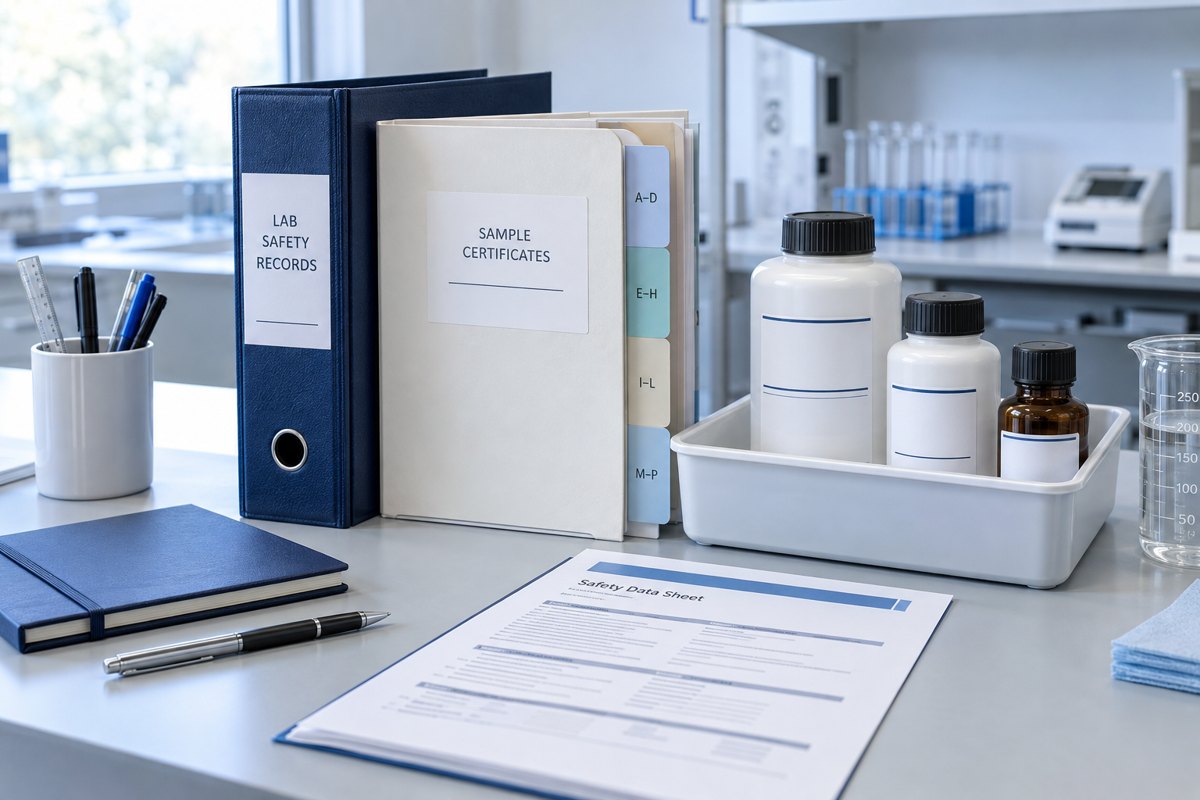
SDS, COSHH and Laboratory Documentation
A COA, a safety data sheet and a COSHH assessment belong to the same laboratory story, but each answers a different question.
No articles match your search. Try another method or topic.
Our editorial approach
Useful evidence, clearly explained.
Sources you can inspect
Guides link to academic papers, standards bodies and government publications. Method definitions are separated from product claims.
Diagrams with context
Original diagrams explain concepts. Illustrative traces and examples are labelled and do not represent batch results.
A defined research scope
This library addresses analytical chemistry, molecular information and laboratory documentation. It provides no human dosing or administration guidance.
Published by the PhD Peptides editorial team. Updated when material sources or guidance change. Contact us about a correction.